Rewa City, located in the north-eastern part of Madhya Pradesh, is a historically rich and culturally significant urban center of the Baghelkhand region. The city derives its identity from a glorious past marked by ancient settlements, Rajput valor, princely governance, and natural heritage, which together shape its present urban character.

Rewa City, located in the north-eastern part of Madhya Pradesh, is a historically rich and culturally significant urban center of the Baghelkhand region. The city derives its identity from a glorious past marked by ancient settlements, Rajput valor, princely governance, and natural heritage, which together shape its present urban character. Historically, the region of Rewa finds mention in ancient Indian traditions and is associated with forested landscapes, tribal habitation, and early human settlements. Over time, Rewa emerged as a prominent political and cultural center, particularly after the establishment of the Baghela Rajput dynasty in the 13th century. The Baghela rulers, who trace their lineage to the Solar Dynasty (Suryavansh) of Lord Rama, made Rewa the capital of Baghelkhand and governed the region for several centuries. Rewa gained international recognition in the mid-20th century as the birthplace of the world-famous White Tiger. The capture of the white tiger “Mohan” from the forests of Rewa in 1951 brought global attention to the region’s rich biodiversity. This unique legacy remains a source of pride and identity for the city and continues to influence its cultural symbolism. Following India’s independence, Rewa State merged into Vindhya Pradesh and subsequently became part of Madhya Pradesh in 1956. Thereafter, Rewa emerged as an important administrative, educational, and commercial hub of eastern Madhya Pradesh. The establishment of the Municipal Corporation Rewa marked a significant step in organized urban governance, enabling systematic planning, infrastructure development, and delivery of civic services.
Culturally, Rewa reflects the vibrant traditions of Bagheli language, folk music, festivals, and social customs, which continue to thrive alongside urban growth. The city is also closely connected with nearby religious and natural heritage sites such as Chitrakoot, Keoti Falls, and Bahuti Falls, enhancing its cultural and ecological significance. Today, Rewa City represents a harmonious blend of historic legacy and modern urban development. Its royal past, cultural richness, and natural heritage provide a strong foundation for sustainable urban planning and civic pride. The Municipal Corporation Rewa continues to build upon this heritage while striving toward inclusive growth, improved infrastructure, and enhanced quality of life for its citizens. During the medieval period, Rewa developed as a well-administered princely state. The Baghela rulers patronized art, culture, religion, and architecture, contributing to the construction of forts, palaces, temples, and water bodies. Rewa Fort, Govindgarh Palace, and associated lakes stand as enduring symbols of this royal legacy. The city also played an important role in regional administration and cultural life, maintaining its identity despite changing political circumstances. Under British rule, Rewa State became one of the major princely states of Central India. While retaining internal autonomy, the rulers of Rewa introduced several modern reforms in administration, education, and infrastructure. These initiatives laid the foundation for urban development and civic institutions, many of which later evolved into present-day municipal structures.
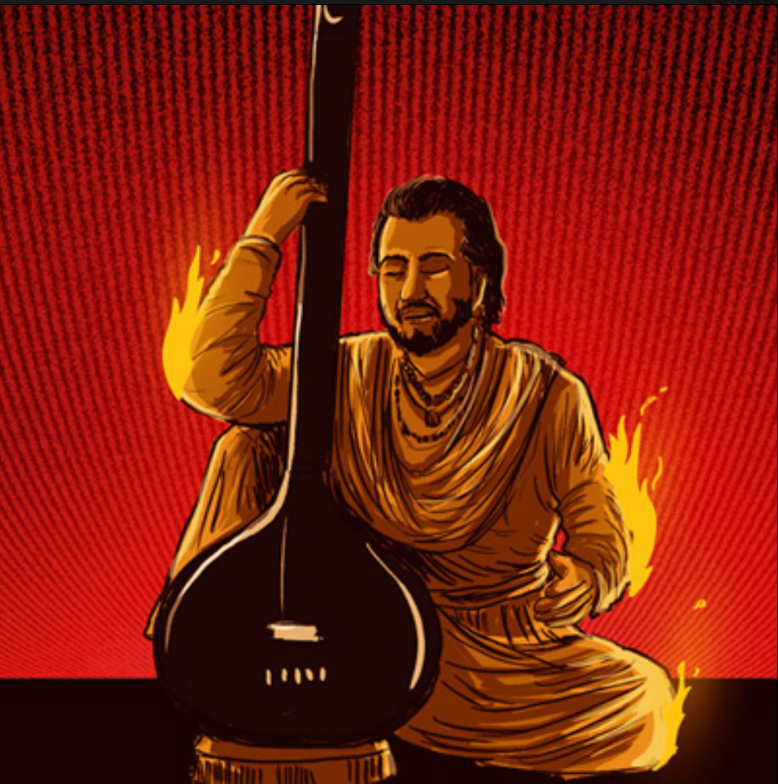
One of the greatest musicians in Indian history. Before joining Emperor Akbar’s court as one of the “Navratnas,” he was the court musician for King Ramchandra Singh of Rewa. Raja Ramchandra Singh was a Baghela king, and his court in Rewa was known for nurturing arts and culture during the 16th century.
Known for his wit and wisdom, Birbal (born Mahesh Das) was also associated with the Rewa court before becoming one of Akbar’s most trusted advisors. Known as a “Navaratna” (nine gems) of Akbar, Birbal’s early career involved gaining expertise in music, poetry, and literature under the patronage of the Baghel dynasty in the Rewa region.
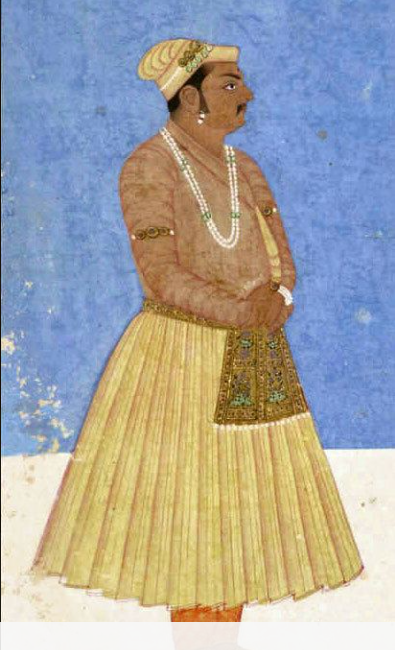
Thakur Ranmat Singh held the post of Sardar in the service of the Maharaja of Rewa. He and his colleagues were unhappy with the policy of Willoughby Osborne (resident political agent at Rewa) and interference in state affairs. He was impressed by the boldness of other rebel leaders and led a mob of 2000 people to surround Osborne’s bungalow. Osborne managed to escape and the rebels made their way into the Chitrakote forest, where they organized and made their further plans. Subsequently, Thakur Ranmat Singh fought several battles in various places including Nagod, Bhilsain, Chitrakoot, Naugong and Keoti and proved to be a cause of terror for the British. To prepare for his capture, Osborne resorted to putting pressure on the Maharaja of Rewa. Despite being friendly with the British, he was sympathetic towards Thakur. He was eventually arrested and sent to Banda where he was found guilty of murdering Europeans and hanged in August, 1860.
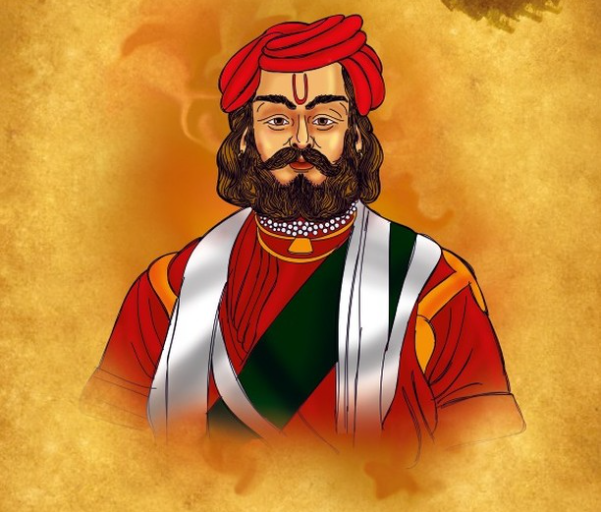
A heroic freedom fighter of the 1857 Revolution. The famous TRS College in Rewa is named in his honor
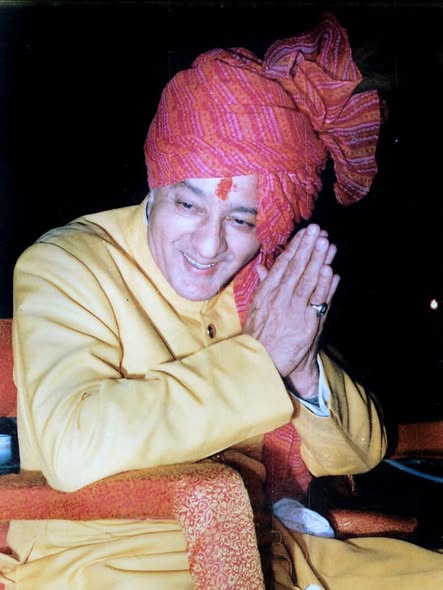
The last ruler of the princely state of Rewa. He is credited with discovering the first white tiger, Mohan, in the wild, which put Rewa on the global map. He also served as a Member of Parliament

A prominent freedom fighter and the first Chief Minister of Vindhya Pradesh. The Awadhesh Pratap Singh University (APSU) in Rewa is named after him.
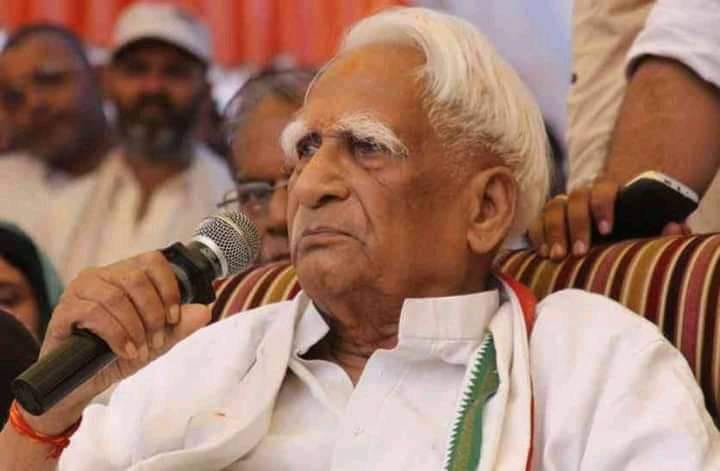
Former Speaker of the Madhya Pradesh Legislative Assembly, known as the “white tiger” of Rewa politics
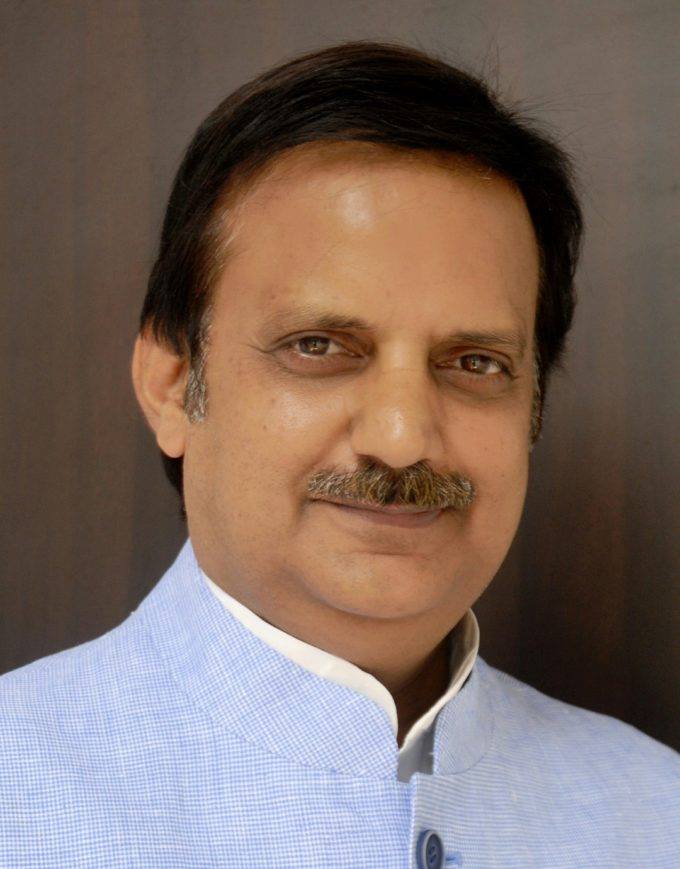
The current Deputy Chief Minister of Madhya Pradesh. He is widely credited with the modern infrastructural transformation of Rewa, including the solar power plant and the airport
The General officer has a deep understanding of modern and emerging technologies in the security domain, and his vision finds congruence to the ongoing pursuit of the Indian Army to fulfil its modernisation and capability development needs through Atmanirbharta.
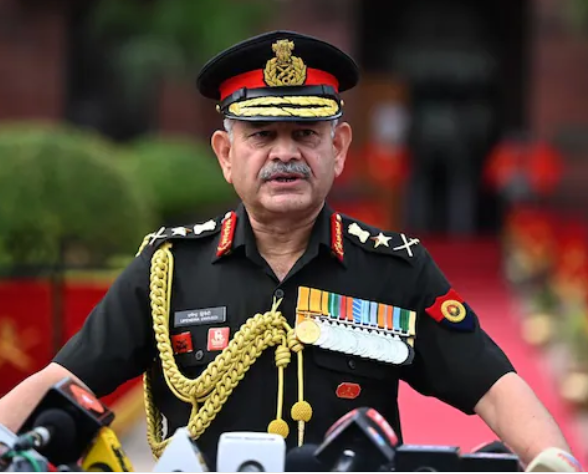
General Upendra Dwivedi, PVSM, AVSM, is one of the most distinguished military leaders in India and a source of immense pride for Rewa, Madhya Pradesh. He is currently serving as the 30th Chief of the Army Staff (COAS) of the Indian Army.
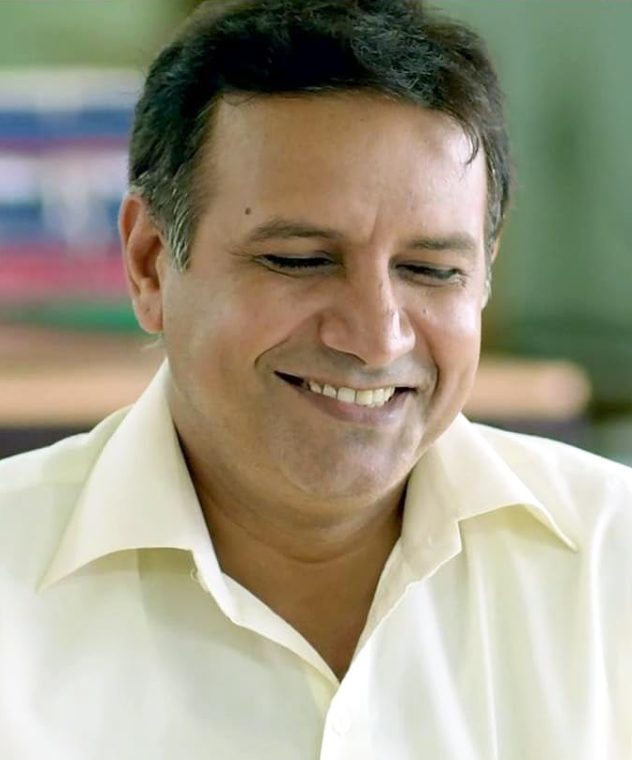
Kumud Mishra is an Indian actor who works in Hindi cinema. He is known for playing supporting and antagonist roles. He played Eknath, a trade union leader in the 1995 Doordarshan drama Swabhimaan. In 2011, he progressed to film acting with Rishi Kapoor and Ranbir Kapoor’s films Patiala House and Rockstar.
Mishra has played supporting roles in the films Sardari Begum, Filmistaan, Revolver Rani, Jolly LLB 2, Raanjhanaa, Badlapur, Bangistan, Airlift, M. S. Dhoni: The Untold Story, Sultan, Tiger Zinda Hai, Rukh, Aiyaary, Mulk, De De Pyaar De, Article 15, Bharat, Jawaani Jaaneman, Thappad, Sooryavanshi and Tadap. In 2020, he starred in the title role in Sony LIV original Ram Singh Charlie that follows the life of a circus artist and his subsequent struggle after the circus is shut.[7] Mishra is an alumnus of Rashtriya Military School Belgaum, Karnataka and graduated from National School Of Drama, Delhi.
Mishra is married to actress Ayesha Raza and they have a son, Kabir.
A first-class debut in late 2018, an IPL debut in 2022 and an India cap in December 2022. A fast bowler from Madhya Pradesh, Kuldeep Sen was fast-tracked through the domestic circuit and IPL into the India set-up for his ability to crank the pace above 140kmph and pick wickets regularly. His career, though has been hit by injuries.
Sen made his IPL debut after he had featured in less than 40 games across formats in the domestic system. He picked up seven wickets in his third Ranji Trophy game and another six in the next, to end the 2018-19 season with 24 scalps from eight games. With his consistency and accuracy, he was picked for India A in the 50-over format in 2022 where he also emerged as MP’s highest wicket-taker in the Vijay Hazare Trophy while also featuring for Rest of India in the Irani Cup the same year. He picked up eight wickets in that match while opening the bowling. Sen had also played a season of IPL by then, for Rajasthan Royals, starring on debut by defending 14 runs in the last over against Lucknow Super Giants. Even though he was expensive in the IPL, his feats soon earned him an ODI debut in Bangladesh at the end of 2022. Sen also moved from MP to Tamil Nadu before the 2023-24 season.
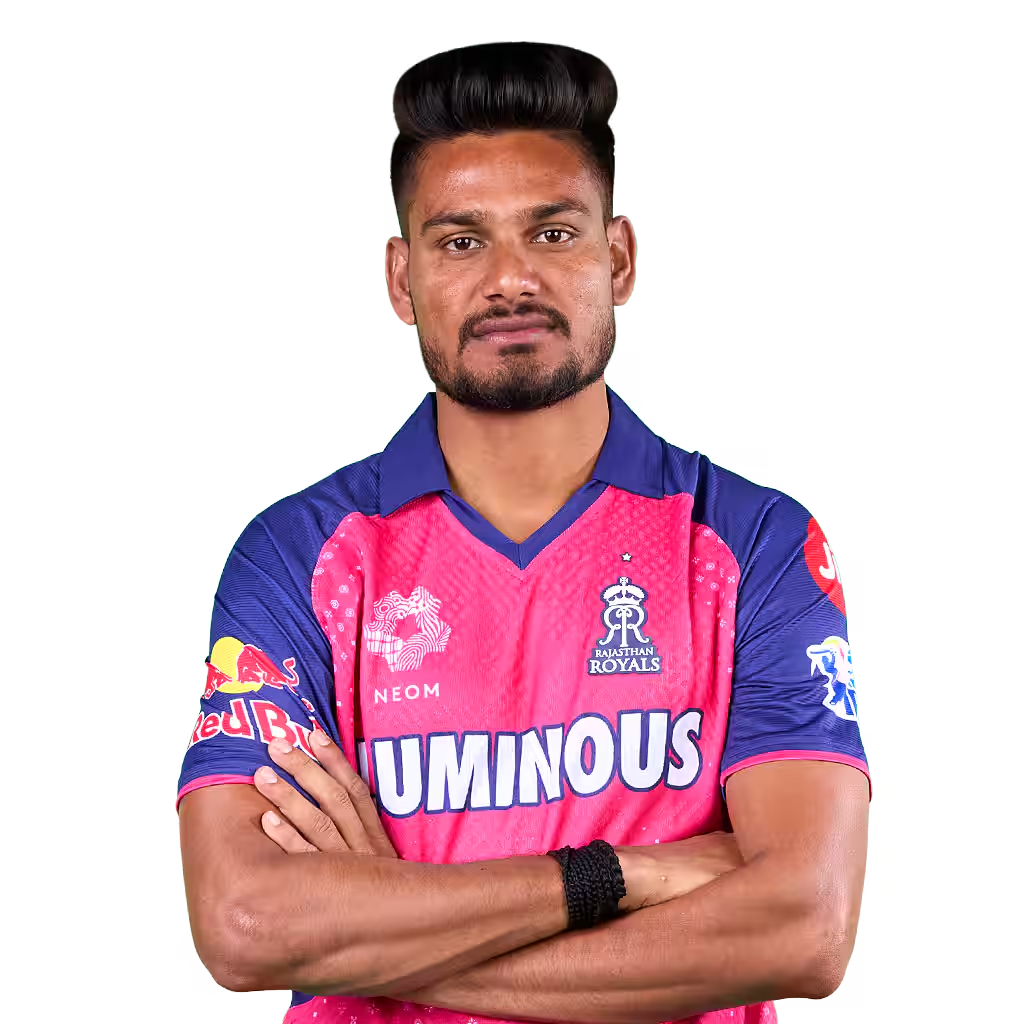
A fast bowler for the Indian National Cricket Team and Rajasthan Royals in the IPL. His journey from a small salon in Rewa to the international stage is deeply inspiring.
Squadron Leader Avani Chaturvedi (born 27 October 1993) is an Indian pilot from Rewa district, Madhya Pradesh. She was declared as the first female combat pilot in India along with two of her cohorts, Mohana Singh Jitarwal, and Bhawana Kanth. The trio was inducted into the Indian Air Force fighter squadron in June 2016. They were formally commissioned by then Defense Minister Manohar Parrikar on 18 June 2016, to serve the nation. The Indian Government had decided to open the fighter stream for women in October 2015. Chaturvedi’s achievement has put India on the list of the countries, such as Britain, the United States, Israel, and Pakistan, where women are allowed to fly fighter jets.
In 2018, Chaturvedi became the first Indian woman pilot to take a solo flight in a MiG-21. In 2018 Avani was promoted to the rank of Flight Lieutenant. In 2023, she became the first woman fighter pilot of the Indian Air Force to take part in an aerial wargame abroad, which she did in Japan.
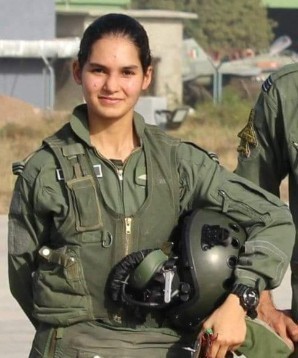
One of India’s first female fighter pilots. Her achievement in flying a MiG-21 Bison solo has made her a national icon of women’s empowerment.







© Copyright 2026 by Rewa Nagar Nigam | Design & Develop By: Novation India